
 Armenia isn’t just a dot on the map - it’s a fruit powerhouse. A place where high-altitude
slopes, mineral-rich volcanic soil, and long, generous summers work in chorus
to dial fruit
flavor up to eleven. Add hand-picked harvests and gentle pasteurization, and you get
something rare in today’s food world: fruit that actually tastes like fruit. This is the story of
Armenian fruit quality - how terroir, touch, and technique create flavors that are bigger,
brighter, and simply better.
Armenia isn’t just a dot on the map - it’s a fruit powerhouse. A place where high-altitude
slopes, mineral-rich volcanic soil, and long, generous summers work in chorus
to dial fruit
flavor up to eleven. Add hand-picked harvests and gentle pasteurization, and you get
something rare in today’s food world: fruit that actually tastes like fruit. This is the story of
Armenian fruit quality - how terroir, touch, and technique create flavors that are bigger,
brighter, and simply better.
Terroir that does the heavy lifting
“Terroir” isn’t just a wine word. It’s the marriage of sunlight, soil, altitude, and microclimate—and Armenia has a dream team of all four.
- Sun-soaked ripening: Long, cloudless summers concentrate sugars and aromatics. Think deeper sweetness, fuller perfume.
- Volcanic, mineral-rich soils: Trace minerals act like a natural seasoning, adding nuance and complexity you can taste.
- High-altitude microclimates: Warm days and cool nights slow ripening just enough to build acidity and keep fruit bright, not flat.
The result? Peaches that perfume the room. Apricots that punch above their size. Pomegranates with electric tart-sweet balance. That’s Armenian fruit quality in a bite.
Hand-picked fruits: flavor by selection, not chance

Machines harvest quickly; hands harvest wisely. With hand picked fruits, ripeness is judged by color, give, and fragrance - signals a sensor can’t fully read.
- Only the ripest make the cut: Pickers choose fruit at peak maturity, when juice, texture, and sugars align.
- Minimal bruising: Gentle handling means intact cell walls - key to that juicy snap and clean finish.
- Field sorting, not factory fixes: Quality is locked in before the fruit even leaves the orchard.
This is craft agriculture: less speed, more intention. And you can taste that intention in every spoon of jam, every glass of nectar, every forkful of compote.
Gentle pasteurization: safety without silencing flavor
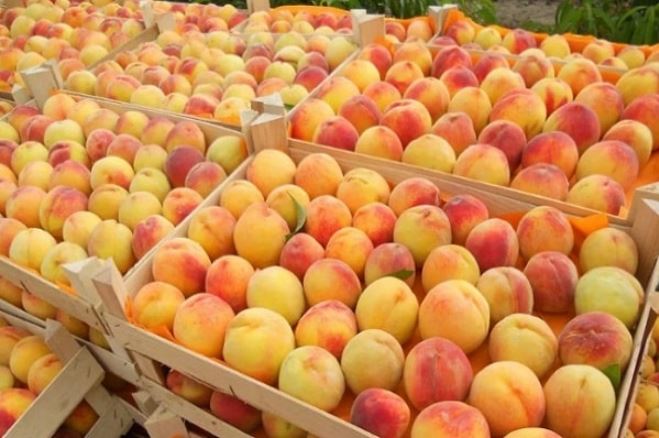
Heat can be a bully—or a whisper. Gentle pasteurization is the whisper: precise, time-and- temperature–controlled heat that keeps vitamins, color, and aroma intact, while ensuring safety.
- Flavor first: Lower thermal stress preserves volatile aromatics—the notes you smell and taste as “fresh.”
- Color that stays true: No muddying of hues; apricots remain sunrise-orange, cherries stay jewel-toned.
- Texture you remember: Juiciness and body survive the process, so products taste closer to just-picked.
In short, gentle pasteurization respects the fruit. It’s the difference between “shelf-stable” and “sun-stable.”
Bigger. Brighter. Better. (And why your palate knows.)

If terroir builds potential and hand-picking selects it, gentle pasteurization delivers it. Put together, you get:
- Bigger: rounder body, fuller mouthfeel, more generous juice.
- Brighter: higher-toned aromas, clear fruit character, lifted acidity.
- Better: balance - sweetness that isn’t cloying, richness without heaviness, finish that lingers.
That’s why a spoon of Armenian apricot jam blooms on warm toast. Why pomegranate juice tastes crisp, not syrupy. Why compotes feel like summer, even in January.
Pairings that make Armenian fruit shine

- Jams & marmalades: Brush apricot jam on roast chicken; fold cherry jam into chocolate ganache; swirl citrus marmalade into yogurt with toasted seeds.
- Compotes: Serve warm over rice pudding or cool with sparkling water for a fast spritz.
- Juices & nectars: Pomegranate with tonic and crushed ice; peach nectar in a Bellini-style mocktail; apricot over kefir for a breakfast boost.
Why this matters now
Consumers are done with “fruit-flavored.” They want origin, method, and meaning - products that are as clean as the label promises. Armenia’s terroir, hand picked fruits, and gentle pasteurization add up to a proof point you can taste. It’s not nostalgia. It’s better food science guided by better farming.